Patchouli PLANT – Untreated & Heirloom – Aromatic Medicinal Perennial Herb – Pogostemon cablin
Bring the magical, earthy scent of Patchouli into your own garden with this untreated, heirloom Patchouli plant (Pogostemon cablin). This aromatic perennial herb is beloved worldwide for its rich, musky fragrance and its extensive range of medicinal, therapeutic, and practical uses. From essential oils and perfumes to natural insect repellents and herbal remedies, Patchouli is a true multi‑purpose plant.
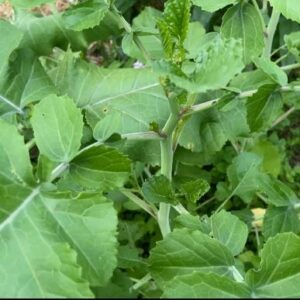
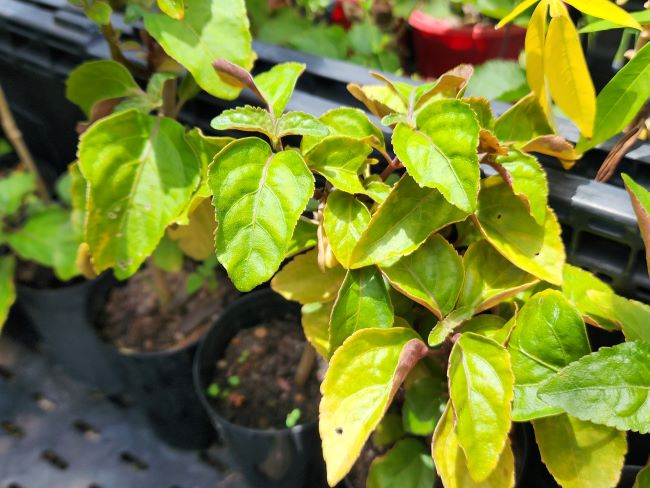
Patchouli is a bushy, fast‑growing herb with soft, velvety green leaves that release their distinctive aroma when brushed or crushed. It thrives outdoors in warm, frost‑free climates and can also be grown inside your home on a bright windowsill or in a sunroom, where its fragrance will fill the room. With its beautiful foliage and countless applications, this plant is a must‑have for any herb garden, food forest, or indoor plant collection.
Uses:
Aromatherapy & Essential Oil: The leaves are steam‑distilled to produce patchouli essential oil, widely used in aromatherapy to relieve stress, calm the mind, and uplift the spirit.
Natural Perfume: Patchouli is a classic base note in natural perfumery. Its deep, earthy scent blends beautifully with citrus, floral, and woody oils.
Homemade Skincare: Infuse dried or fresh leaves in a carrier oil to create your own patchouli‑infused oil, perfect for balms, salves, lotions, and soaps.
Natural Insect Repellent: The strong scent of patchouli is known to repel moths, mosquitoes, and other insects. Place dried leaves in wardrobes or use the oil in homemade repellent blends.
Herbal Tea: Steep dried leaves (use sparingly, as the flavour is strong and earthy) for a digestive‑supporting tea.
Culinary Use: In some cultures, patchouli is used as a flavouring agent or seasoning in small amounts (research first, as the flavour is potent).
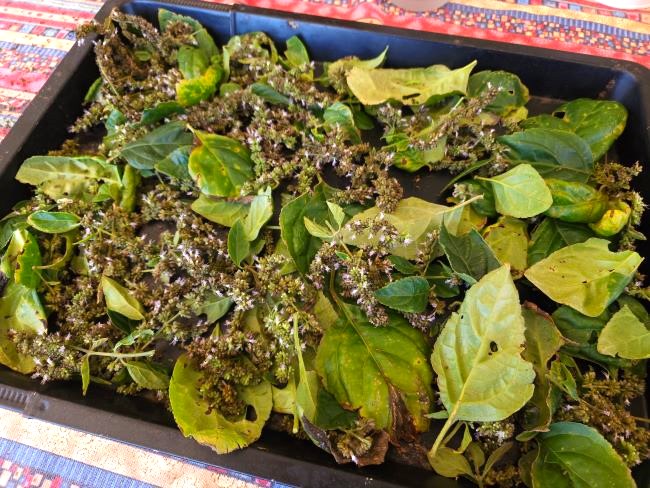
Tinctures & Infused Oils: Use homegrown dehydrated leaves and flowers to make your own tinctures and infused oils for medicinal and cosmetic purposes.
Nutrients & Health Benefits (Traditional & Scientific):
Patchouli has been used in traditional medicine for centuries, and modern research has confirmed many of its therapeutic properties. According to Swamy et al. (2015):
“Pogostemon cablin Benth. (patchouli) is an important herb which possesses many therapeutic properties and is widely used in the fragrance industries. In traditional medicinal practices, it is used to treat colds, headaches, fever, nausea, vomiting, diarrhea, abdominal pain, insect and snake bites. In aromatherapy, patchouli oil is used to relieve depression, stress, calm nerves, control appetite and to improve sexual interest. … Modern studies have revealed several biological activities such as antioxidant, analgesic, anti‑inflammatory, antiplatelet, antithrombotic, aphrodisiac, antidepressant, antimutagenic, antiemetic, fibrinolytic and cytotoxic activities.”
More than 140 compounds have been identified from patchouli, including:
Patchouli alcohol – the main bioactive compound responsible for many of its therapeutic effects.
α‑patchoulene, β‑patchoulene, α‑bulnesene – sesquiterpenes that contribute to its aroma and biological activity.
Pogostone – known for its antimicrobial and anti‑inflammatory properties.
Flavonoids, organic acids, alkaloids, and glycosides – contribute to its antioxidant and health‑promoting effects.
Key benefits include:
Anti‑inflammatory: Helps relieve sore, fatigued muscles and joint discomfort when used externally in infused oils or compresses.
Digestive Support: Traditionally used to ease nausea, vomiting, diarrhea, and abdominal pain.
Immune Support: Strengthens immunity and has mild diuretic properties.
Respiratory Comfort: Used to treat colds, headaches, and respiratory congestion.
Wound Healing: Minor cuts, bruises, and insect bites can be treated externally with patchouli tea or diluted essential oil.
Skin Care: Patchouli oil is often used in natural skincare for its soothing, anti‑aging, and antiseptic properties.
Mood & Libido: Used in aromatherapy to relieve depression, calm nerves, boost libido, and improve sexual interest.
Note: Always consult a qualified healthcare provider before using any plant medicinally, especially if pregnant, nursing, or on medication. Patchouli essential oil should be diluted before topical use.
Growing Conditions & Planting Tips (Indoors & Outdoors):
Patchouli is a robust, easy‑to‑grow herb when given the right conditions.
Climate: Perennial in tropical and subtropical regions (QLD, NT, northern NSW). It is frost‑sensitive and will not survive freezing temperatures. In cooler areas (VIC, SA, southern NSW), grow it in a pot and move indoors or into a greenhouse during winter.
Position: Prefers partial shade to filtered sunlight. Direct, harsh afternoon sun can scorch the leaves. A spot with morning sun and afternoon shade is ideal. Indoors, place near a bright, east‑ or west‑facing window.
Soil: Loves rich, well‑draining, slightly acidic to neutral soil (pH 5.5–6.5). Enrich with compost or organic matter before planting. Raised garden beds or pots with drainage holes work well.
Watering: Keep the soil consistently moist but not waterlogged. Patchouli does not like to dry out completely. Water deeply and regularly during the growing season, reducing slightly in winter.
Fertilising: Feed with a balanced organic fertiliser or diluted seaweed or compost tea solution every 4–6 weeks during spring and summer. Patchouli is a moderate feeder.
Pruning & Harvesting: Pinch back growing tips regularly to encourage a bushy, compact shape. Harvest leaves and stems as needed – regular harvesting promotes new growth.
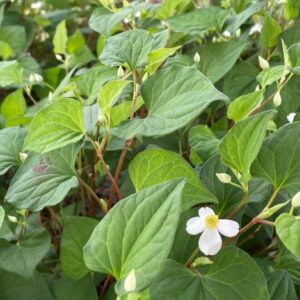
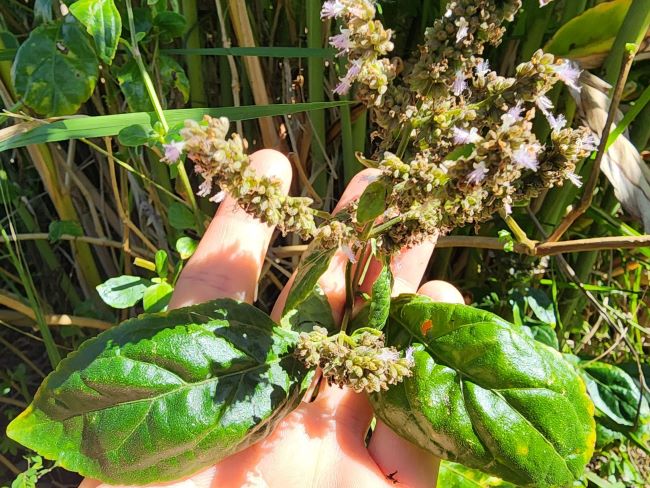
Flowering: Produces small, white to pale purple flowers in late summer or autumn. The flowers are also fragrant and can be harvested for drying.
Container growing: Grows beautifully in pots at least 25–30 cm deep. Use a quality potting mix with added compost. Indoor plants benefit from occasional misting to maintain humidity.
Propagation: Easily propagated from stem cuttings – simply snip a healthy stem, remove lower leaves, and place in water or moist soil. Roots appear within 2–4 weeks.
Care After Receiving Your Plant:
Your Patchouli plant has been grown with love. Follow these steps for a smooth transition:
Unpack immediately – Remove the plant from packaging. Check the soil; if dry, give it a light drink.
Rest & recover – Place the plant in a sheltered, shaded spot out of strong wind for 2–3 days to reduce transplant shock.
Slow sun introduction – Most of our plants grow in partial shade. If you plan to move it to a sunnier position, do so gradually over 5–7 days to avoid leaf burn.
Transplant – Re‑pot into a larger pot (at least 25–30 cm deep) or plant directly into the ground when roots fill the current container. Space multiple plants about 30–50 cm apart.
Water in well – Give it a deep, thorough watering straight after planting. Thereafter, keep the soil consistently moist.
Mulch lightly – A thin layer of sugar cane or straw mulch helps retain moisture, but keep it away from the stems.
No fertiliser for 2 weeks – Let the plant settle before feeding.
What You Will Receive:
One young, healthy Patchouli plant in a small pot, grown untreated and heirloom, naturally with love in my permaculture food forest (Pacific Haven, QLD).
Shipping & Important Notes:
Dispatch: We usually send plants on Mondays to ensure they arrive fresh and before the weekend.
Shipping locations: Sending within Australia only, excluding Norfolk Island, NT, SA, TAS, and WA.
Pickup: Available by appointment from Pacific Haven, QLD.
Please Note: Do your own research before trying any new foods or herbal remedies. Patchouli essential oil should be diluted before topical use. Also refer to our full disclaimer in the footer of this page.
References: Swamy, M. K., & Sinniah, U. R. (2015). A Comprehensive Review on the Phytochemical Constituents and Pharmacological Activities of Pogostemon cablin Benth.: An Aromatic Medicinal Plant of Industrial Importance. Molecules, 20(5), 8521-8547. https://doi.org/10.3390/molecules20058521