Fish Mint PLANT – Houttuynia Cordata – Chameleon Plant, Fish Leaf
Add a bold, unique, and highly medicinal herb to your edible garden with this heirloom, untreated Fish Mint plant (Houttuynia cordata), also known as Chameleon Plant, Fish Leaf, or Vietnamese Coriander (though different from Persicaria odorata). This fast‑spreading, low‑growing perennial is prized across East and Southeast Asia for its distinctive flavour and powerful health benefits.
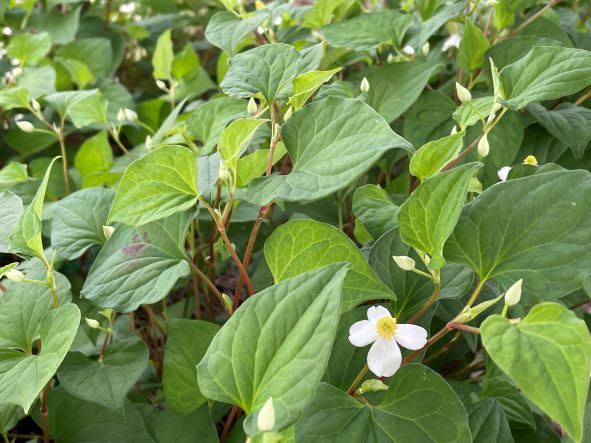
The name “Fish Mint” comes from its unmistakable aroma – a blend of citrus, coriander, and a distinct fish‑like note. The heart‑shaped leaves are typically variegated with green, yellow, pink, and cream (especially in the ‘Chameleon’ variety), making it both an edible and an ornamental groundcover. It thrives in moist, boggy conditions where many other herbs struggle.
Uses:
Fresh Herb: Use raw leaves sparingly in salads, spring rolls, noodle bowls, and dipping sauces. The flavour is strong – a little goes a long way. It pairs beautifully with fish, seafood, and rich meats.
Cooking: Add to stir‑fries, soups, hot pots, and stews towards the end of cooking. The flavour mellows with heat.
Pestos & Sauces: Blend leaves with garlic, nuts, oil, and cheese for a uniquely fragrant pesto.
Herbal Tea: Steep fresh or dried leaves for a detoxifying tea traditionally used to clear heat and toxins.
Natural Dye: The leaves can produce a mild yellow‑green dye.
Nutrients & Health Benefits (Traditional Use):
Houttuynia cordata has a long history in traditional Chinese medicine (TCM) and Korean, Japanese, and Vietnamese herbalism. Always do your own research before using medicinally.
Antiviral & antibacterial – Traditionally used to fight respiratory infections, pneumonia, colds, flu, and sinusitis. Modern studies suggest activity against certain viruses and bacteria.
Anti‑inflammatory – Contains quercetin and other flavonoids that help reduce inflammation throughout the body.
Immune support – Used to clear “heat and toxins” in TCM, especially for lung and urinary tract infections.
Antioxidant rich – Packed with polyphenols that combat oxidative stress.
Digestive aid – Helps relieve diarrhoea, dysentery, and intestinal discomfort.
Skin health – Applied externally as a poultice for boils, abscesses, snake bites, and insect stings.
Note: Always consult a qualified healthcare provider before using any plant medicinally, especially if pregnant, nursing, or on medication (particularly blood thinners or immunosuppressants).
Growing Conditions & Planting Tips:
Fish Mint is incredibly vigorous and easy to grow – almost too easy. It spreads quickly via underground runners, so consider containing it.
Climate: Perennial in tropical, subtropical, and warm temperate regions (QLD, NSW, VIC, SA). It is frost‑tolerant to a degree (dies back in winter but re‑emerges in spring). In very cold areas, grow it in a pot.
Position: Prefers partial shade to full shade. In hot climates, afternoon shade is essential to prevent leaf scorch. It tolerates full sun only if kept constantly moist.
Soil: Thrives in moist, boggy, poorly drained soils where other plants fail. It loves consistently damp conditions – near a pond, water feature, or in a self‑watering pot is ideal.
Watering: Keep the soil constantly moist. Unlike most herbs, fish mint does not like to dry out. Water frequently, especially in summer. It can even grow in shallow water at the edge of a pond.
Spreading habit: This plant spreads aggressively via rhizomes. Highly recommended to grow it in a pot (even buried in the ground with a root barrier) or a confined bed. Otherwise, it will take over.
Fertilising: Not necessary – it grows happily in poor soil. If leaves look pale, a light application of compost is fine.
Pruning & harvesting: Harvest leaves regularly to encourage bushy growth. Cut back dead stems in late winter. Pull up excess runners to control spread.
Container growing: A pot at least 20–30 cm deep with a saucer underneath to hold water works perfectly.
Care After Receiving Your Plant:
Your Fish Mint plant has been grown with love. Follow these steps for a smooth transition:
Unpack immediately – Remove the plant from packaging. Check the soil; if dry, give it a good drink.
Rest & recover – Place the plant in a sheltered, shaded spot out of strong wind for 2–3 days to reduce transplant shock.
Keep moist – Unlike many plants, fish mint should not be allowed to dry out during this period. Keep the soil damp but not waterlogged.
Transplant – Re‑pot into a larger pot (with a saucer to hold water) or plant directly into a confined garden spot. Do not plant into open garden beds unless you want it to spread everywhere.
Planting depth – Dig a hole slightly larger than the root ball. Backfill and firm gently.
Water in well – Give it a deep, thorough watering straight after planting. Thereafter, keep the soil consistently moist.
Mulch – A thick layer of sugar cane or straw mulch helps retain soil moisture.
Containment reminder – If planting in the ground, consider sinking a pot or using a plastic root barrier at least 30 cm deep to prevent runaway spread.
What You Will Receive:
One young, healthy Fish Mint plant in a small pot, grown untreated and naturally with love in my permaculture food forest (Pacific Haven, QLD).
Shipping & Important Notes:
Dispatch: We usually send plants on Mondays to ensure they arrive fresh and before the weekend.
Shipping locations: Sending within Australia only, excluding Norfolk Island, NT, SA, TAS, and WA.
Pickup: Available by appointment from Pacific Haven, QLD.
Please Note: Do your own research before trying any new foods or herbal remedies. Also refer to our full disclaimer in the footer of this page.