Panama Berry PLANT – Muntingia calabura – Heirloom & Untreated – Fast-Growing “Cotton Candy” Fruit Tree
Bring a true taste of childhood wonder to your garden with this heirloom, untreated Panama Berry plant (Muntingia calabura), also known as Jamaican Cherry, Singapore Cherry, Strawberry Tree, or Calabur. This remarkable tree is famous for its abundance of small, cherry-red berries that taste remarkably like cotton candy – a sweet, mild, almost vanilla-like flavour that children and adults adore.
The Panama Berry is a fast-growing, evergreen small tree that can begin flowering and fruiting in as little as 1 to 2 years from planting. In warm climates, it can reach several metres in height within a single season, forming an elegant, slender silhouette with nearly horizontal branches. It produces a near-continuous harvest of fruit across the warmer months, making it one of the most generous fruit trees you can grow.
It is self-fertile, drought-tolerant once established, and thrives in a wide range of soils, including poor and heavy clay. It can be grown in the ground in tropical and subtropical regions or in a large pot or grow bag (available in our online store) for gardeners in cooler areas, making this unique fruit accessible across Australia.
Do you need more space to grow food? Check out our fantastic extra-large grow bags here.
Uses:
Fresh Eating: The small, sweet berries are best enjoyed straight from the tree – they are a favourite foraging snack for children and adults alike.
Jams, Tarts & Pies: The fruit can be cooked down into delicious jams, used as a filling for tarts, or baked into pies.
Juices & Desserts: Blend the berries into fresh juices, smoothies, or dessert sauces.
Leaf Tea: A mild, antioxidant-rich tea can be made from the leaves.
Wildlife Magnet: The fruit attracts birds and pollinators, adding life and biodiversity to your garden.
Nutrients & Health Benefits:
Panama Berry is not only a sweet treat – it also offers impressive nutritional and traditional medicinal value.
High in Vitamin C: The fruit is a good source of vitamin C, supporting immune function and overall health.
Rich in Antioxidants: The fruit contains phenolic compounds and has demonstrated notable antioxidant activity, helping to protect cells from oxidative stress.
Mineral Content: Contains calcium, phosphorus, iron, and small amounts of B vitamins and vitamin A.
Traditional Medicinal Uses: The flowers are traditionally valued for their antiseptic and antispasmodic properties. An infusion of the flowers is taken to relieve headaches and the first symptoms of a cold. Modern research has also highlighted the plant’s anti-inflammatory and antinociceptive (pain-relieving) activities.
Note: Always do your own research before using any plant medicinally. The information provided is for educational purposes only.
Growing Conditions & Planting Tips:
The Panama Berry is remarkably easy to grow and rewards you with rapid growth and prolific fruiting.
Climate: Best suited for tropical and subtropical regions (QLD, NT, northern NSW). It thrives in consistently warm temperatures. Mature trees may tolerate only a very brief, light frost, and young plants are especially sensitive. In cooler areas (VIC, SA, southern NSW), grow it in a large pot and move it indoors or to a sheltered, frost-free position during winter.
Position: Prefers full sun for the best fruit production and flavour. Young plants benefit from protection from harsh afternoon sun until established.
Soil: Extremely adaptable – it tolerates sandy, loamy, and heavy clay soils, as well as both acidic and alkaline conditions. It performs best in well-drained soil, but will grow even in nutritionally poor ground.
Watering: Water regularly during establishment. Once mature, it is drought-tolerant, but consistent moisture encourages year-round fruiting. Avoid waterlogging, which can cause root rot in young plants.
Fertilising: Not demanding. A topdressing of compost or organic matter once or twice a year is sufficient.
Pruning: Prune lightly to shape the tree and maintain a manageable height. Pruning also facilitates easier fruit harvest.
Container Growing: Grows well in containers or grow bags, making it suitable for patios and balconies in cooler climates. Use a large pot with good drainage and water more frequently than you would for a tree in the ground.
Fruiting: Self-fertile – you only need one tree to produce fruit. Expect the first harvest within 1–2 years.
Care After Receiving Your Plant:
Your Panama Berry plant has been grown with love. Follow these steps for a smooth transition:
Unpack immediately – Remove the plant from packaging. Check the soil; if dry, give it a light drink.
Rest & recover – Place the plant in a sheltered, shaded spot out of strong wind for 2–3 days to reduce transplant shock.
Slow sun introduction – Introduce to full sun gradually over 5–7 days to avoid leaf burn, especially if the plant was grown in partial shade.
Transplant – Repot into a larger container or plant directly into the ground. Dig a hole twice the size of the root ball and place the plant at the same depth it was in the pot. Take care to minimise root disturbance, as young plants are sensitive to it.
Water in well – Give it a deep, thorough soaking straight after planting. Water deeply but infrequently (about once a week for the first month or two) to encourage deep root growth.
Mulch lightly – Apply a layer of sugar cane or straw mulch around the base, keeping it away from the stem, to retain moisture and suppress weeds.
No fertiliser for 2 weeks – Let the plant settle before feeding.
What You Will Receive:
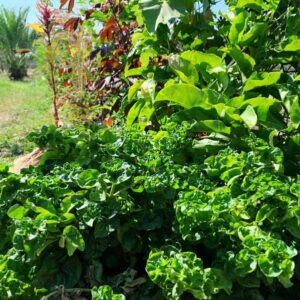
One young, healthy Panama Berry plant (Muntingia calabura) in a small nursery pot, grown heirloom, untreated, and with love in my permaculture food forest (Pacific Haven, QLD). The plant images are an example only.
Shipping & Important Notes:
Dispatch: We usually send plants on Mondays and/or Tuesdays to ensure they arrive fresh and before the weekend.
Shipping locations: Sending within Australia only, excluding Norfolk Island, NT, SA, TAS, and WA.
Pickup: Available by appointment from Pacific Haven, QLD.
Please Note: Do your own research before trying any new foods or herbal remedies. Also refer to our full disclaimer in the footer of this page.