Blue Basil PLANT – Ocimum kilimandscharicum × basilicum – Bess Love It – Heirloom & Untreated – Aromatic Perennial Herb
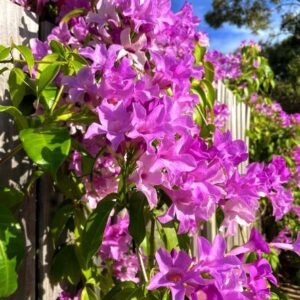
Blue Basil is one of the few truly perennial basils, meaning it can keep growing and producing for multiple years. It grows as an attractive, bushy shrub with woody stems that can reach up to one metre or more in height. The plant is famous for its striking foliage – new leaves emerge a deep purple, gradually turning green as they mature while retaining beautiful purple veins and speckling. Throughout the warmer months, it produces tall spires of pinkish‑lavender flowers that are not only gorgeous but also highly attractive to bees and other pollinators. It can be grown outdoors in warm, frost‑free climates or inside your home on a sunny windowsill, where it thrives better than many other herbs.
Uses:
Culinary Herb: Blue Basil has a stronger, more complex flavour than common basil, with earthy, woodsy notes and a subtle hint of camphor, menthol, and cloves. Use the leaves fresh in salads, pasta, soups, and sandwiches, or as a finishing garnish.
Pesto with a Twist: The leaves make a rich, mellow‑flavoured pesto that is absolutely delicious – a wonderful alternative to traditional basil pesto.
Floral Iced Tea: Steep the leaves and edible flowers with lemongrass or other herbs for a calming, fragrant drink.
Cocktails & Beverages: The edible flowers make a beautiful and aromatic garnish for cocktails, sparkling water, or iced tea.
Infused Oils & Vinegars: Create your own herb oils and infused vinegars for dressings and marinades.
Ornamental: Even if you never harvest a single leaf, Blue Basil is a show‑stopping ornamental plant with its purple‑green foliage and continuous display of lavender flowers.
Nutrients & Health Benefits:
Blue Basil is not only flavourful but also offers a range of nutritional and therapeutic benefits.
Rich in Vitamins & Minerals: The leaves provide vitamins A and C (which support immune function), vitamin K (which promotes wound healing), and manganese (which assists with protein digestion). They are also a source of magnesium, calcium, and iron.
Essential Oils & Bioactive Compounds: Blue Basil contains many beneficial essential oils and compounds, including limonene, eugenol, citronellol, camphor, and camphene. These compounds contribute to its antimicrobial and anti‑inflammatory properties.
Antioxidant Properties: The essential oil of Blue Basil has been shown to be a potent antioxidant against oxidative stress and reactive radicals.
Traditional Medicine: In folk medicine, an infusion of the leaves has been used to help relieve constipation, abdominal pain, cough, measles, and diarrhoea. The plant has also demonstrated antimicrobial, larvicidal, and insect‑repellent activities in various studies.
Gut Health Support: The compounds in basil are known to help calm overactive immune responses, reduce gas and bloating, and support the liver’s detox pathways.
Pollinator Magnet: Beyond its direct benefits to you, this plant is exceptional for attracting bees, butterflies, and other beneficial insects to your garden.
Note: Always consult a qualified healthcare provider before using any plant medicinally, especially if pregnant, nursing, or on medication. The information provided is for educational purposes only.
Growing Conditions & Planting Tips (Indoors & Outdoors):
Blue Basil is remarkably easy to grow and more heat‑tolerant than many other basils. Follow these guidelines for success:
Climate: Perennial in tropical, subtropical, and warm temperate regions (QLD, NSW, VIC, SA). It is frost‑tender and will not survive freezing temperatures. In cooler areas, grow it in a pot and move indoors or into a greenhouse during winter.
Position: Prefers full sun – at least 6–8 hours of direct sunlight daily for the best flavour and growth. Some partial shade is tolerated in the afternoons in very hot climates. Indoors, place it near a south‑ or west‑facing window for maximum light.
Soil: Loves moist, well‑drained, humus‑rich soil. Enrich with compost or organic matter before planting. Raised garden beds or pots with drainage holes work well.
Watering: Keep the soil consistently moist but not waterlogged. Once established, the plant can tolerate drier soils, but it is not truly drought‑tolerant.
Fertilising: Feed with a balanced organic fertiliser or diluted seaweed solution every 4–6 weeks during the growing season.
Pruning: Unlike many basils, Blue Basil is sterile and does not produce seed, so its flowers do not need to be pinched back to keep the plant growing. You can let the flowers bloom all season long – they are edible and beautiful. If you want a bushier plant, you can pinch back the growing tips. Trim unwanted branches back, and new growth will appear.
Flowering: Blooms profusely from late spring through to autumn (or even year‑round in warm climates), producing tall spires of pinkish‑lavender flowers that are highly attractive to bees and other pollinators.
Container growing: Grows beautifully in pots – choose a pot at least 25–30 cm deep. Because the plant just likes to grow and grow, it benefits from as large a container as you can give it.
Care After Receiving Your Plant:
Your Blue Basil plant has been grown with love. Follow these steps for a smooth transition:
Unpack immediately – Remove the plant from packaging. Check the soil; if dry, give it a light drink.
Rest & recover – Place the plant in a sheltered, shaded spot out of strong wind for 2–3 days to reduce transplant shock.
Slow sun introduction – Most of our plants grow in partial shade. If you plan to move it to a sunnier position, do so gradually over 5–7 days to avoid leaf burn.
Transplant – Re‑pot into a larger pot (at least 25–30 cm deep) or plant directly into the ground when roots fill the current container. Space multiple plants about 50–80 cm apart.
Water in well – Give it a deep, thorough watering straight after planting. Thereafter, keep the soil consistently moist.
Mulch lightly – A thin layer of sugar cane or straw mulch helps retain moisture, but keep it away from the stems.
No fertiliser for 2 weeks – Let the plant settle before feeding.
What You Will Receive:
One young, healthy Blue Basil plant in a small pot, grown untreated and naturally with love in my permaculture food forest (Pacific Haven, QLD).
Shipping & Important Notes:
Dispatch: We usually send plants on Mondays to ensure they arrive fresh and before the weekend.
Shipping locations: Sending within Australia only, excluding Norfolk Island, NT, SA, TAS, and WA.
Pickup: Available by appointment from Pacific Haven, QLD.
Please Note: Do your own research before trying any new foods or herbal remedies. Also refer to our full disclaimer in the footer of this page.