Elderberry Tree PLANT – Untreated & Heirloom – Black European Elderberry – Sambucus nigra – Fast-Growing Medicinal Powerhouse
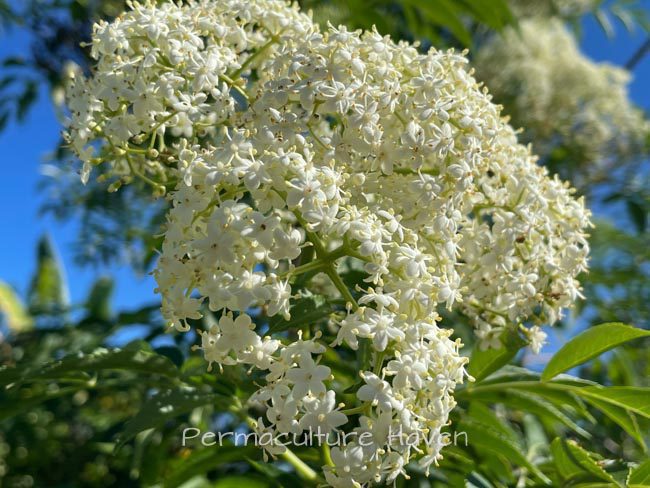
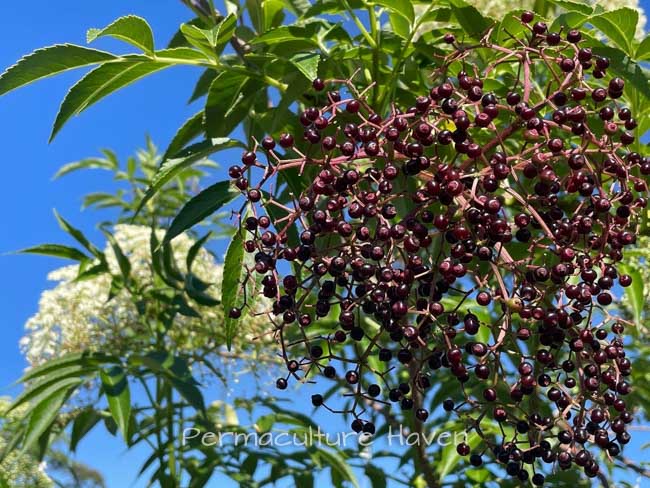
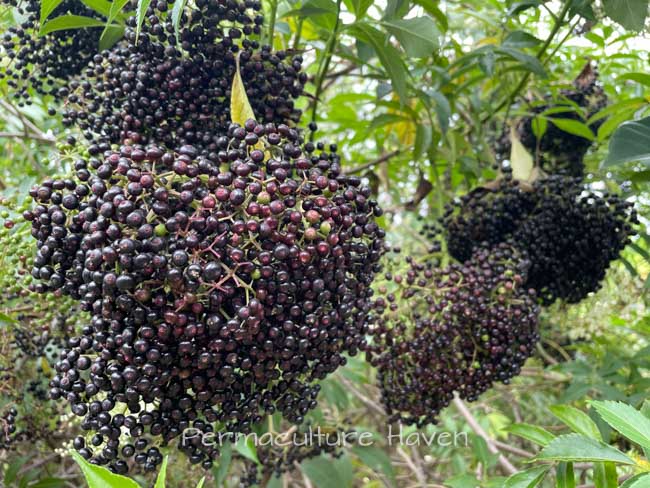
Bring one of Europe’s most treasured medicinal and culinary plants into your garden with this untreated, heirloom Black European Elderberry (Sambucus nigra). This fast-growing shrub or small tree is prized for its abundant clusters of fragrant white flowers in early summer, followed by heavy crops of small, deep purple-black berries in late summer and autumn.
A note on its growth habit: In cool-temperate climates, European elderberry is typically deciduous, dropping its leaves in winter. However, in subtropical, tropical, and warm frost-free climates – like much of coastal and northern Australia – it often behaves as an evergreen or semi-evergreen, retaining its leaves year-round or dropping them only briefly. This makes it a wonderfully productive plant for warm-climate food forests, where it can provide greenery and harvests across the seasons.
Elderberry has been used for centuries across Europe and beyond as a food source, a medicine, and a garden staple. The flowers and berries have remarkable health benefits and can be used to make tea, cordial, jelly, syrup, wine, and more. It is an incredibly rewarding plant for any food forest, permaculture garden, or home orchard, and it also attracts pollinators and birds.
Uses:
Elderflower Cordial & Champagne: The fragrant white flower heads can be steeped in sugar syrup to make the classic elderflower cordial, or fermented into elderflower “champagne.”
Elderflower Tea: Dried flowers make a delicate, floral tea traditionally used to support respiratory health and ease colds. The flowers are safe to eat fresh or dried.
Elderberry Syrup & Cordial: The cooked berries are the base for the famous immune-supporting elderberry syrup, as well as cordials and drinks.
Jams & Jellies: Cooked elderberries make a rich, deeply coloured jelly with a unique, tart-sweet flavour.
Elderberry Wine: A traditional country wine made from fermented berries.
Pies & Desserts: Cooked berries can be used in pies, crumbles, and sauces.
Ornamental & Wildlife: The frothy white flowers and dark berries are beautiful, and the plant provides food and habitat for birds and pollinators.
Nutrients & Health Benefits:
Elderberry has become one of the most researched medicinal plants in the world, particularly for immune support. According to a 2024 review published in Current Nutrition Reports, black elderberry can prevent oxidative stress, reduce blood pressure, and help prevent cardiovascular diseases, diabetes mellitus, and neurodegenerative diseases thanks to the polyphenols it contains. It can also stimulate the immune system and show antitumor effects.
Key compounds and benefits include:
Rich in Anthocyanins & Polyphenols: These powerful antioxidants give the berries their deep colour and help protect cells from oxidative damage.
Immune Support: Elderberry is clinically used for the treatment of viral respiratory infections and is a popular natural remedy for colds and flu.
Anti-inflammatory & Antimicrobial: Studies have documented anti-inflammatory, antimicrobial, and antioxidant activities.
Cardiovascular & Metabolic Support: Research suggests benefits for blood pressure, cardiovascular health, and blood sugar regulation.
Traditional Medicine: Elderflowers and berries have been used traditionally to treat colds, influenza, and respiratory complaints, as well as to support overall vitality.
⚠️ Important Safety Note – Please Read:
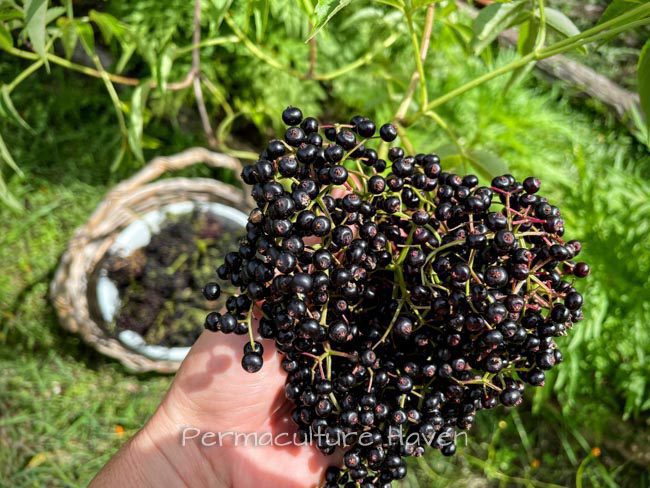
The berries of Sambucus nigra must never be eaten raw. They contain cyanogenic glycosides (including sambunigrin), which can cause nausea, vomiting, and diarrhoea, and in larger quantities can be dangerous. The berries must be cooked thoroughly (boiled) before consumption, and the cooking liquid should be used or discarded as part of a properly prepared recipe. The flowers are the only part of the plant that is safe to eat raw. All other parts – leaves, bark, stems, and roots – are toxic and should not be consumed. Always do your own research and follow trusted recipes for preparing elderberry products.
Note: Always consult a qualified healthcare provider before using any plant medicinally, especially if pregnant, nursing, or on medication. The information provided is for educational purposes only.
Growing Conditions & Planting Tips:
Elderberry is remarkably easy to grow and rewards you with rapid growth and generous harvests. Follow these guidelines for success:
Climate: Suitable for temperate and cool-temperate regions across Australia (NSW, VIC, SA, TAS, and cooler parts of QLD). It prefers a climate with a distinct winter chill but will grow in warmer areas with some afternoon shade. In subtropical and tropical regions, it tends to remain evergreen or semi-evergreen and can still flower and fruit well. It is frost-hardy once established.
Position: Grows best in full sun to partial shade. More sun produces more flowers and berries, but it appreciates some afternoon shade in hot climates.
Soil: Prefers moist, well-drained, humus-rich soil with a pH between 5.5 and 6.5. It tolerates a range of soil types, including chalk, clay, loam, and sand, and will also grow in wet sites.
Watering: Elderberries are shallow-rooted and need consistent moisture. Water deeply and regularly, especially during flowering and fruiting. They need about 1–2 inches of rain per week during the growing season. Do not let them dry out completely.
Fertilising: A topdressing of compost in spring is usually sufficient. Do not over-fertilise – too much nitrogen produces lots of leaves but fewer flowers and berries.
Spacing: Space plants about 2–3 metres apart to allow for their spreading habit. They can also be planted as a hedge or windbreak.
Pruning: Elderberries bloom on new growth of the current season. Prune in late winter or very early spring before new growth begins. Remove weak or damaged canes and leave a mix of 1-, 2-, and 3-year-old canes for the best fruit production.
Container Growing: Can be grown in a large pot (40L+) for the first few years, but will eventually need to be planted in the ground or moved to a very large container.
Harvesting: Flowers are ready when fully open in early summer. Berries are ready when they are plump, soft, and deep purple-black – usually from late summer to early autumn. Always cook berries before consuming.
Care After Receiving Your Plant:
Your Elderberry plant has been grown with love. Follow these steps for a smooth transition:
Unpack immediately – Remove the plant from packaging. Check the soil; if dry, give it a light drink.
Rest & recover – Place the plant in a sheltered, shaded spot out of strong wind for 2–3 days to reduce transplant shock.
Slow sun introduction – Introduce to full sun gradually over 5–7 days to avoid leaf burn.
Transplant – Re-pot into a larger container or plant directly into the ground. Dig a hole twice the size of the root ball and place the plant at the same depth it was in the pot.
Prune lightly if needed – If the stems are very long or damaged, cut them back to about 15–20 cm above the soil line to encourage strong new growth from the base. This is optional but can help establishment.
Water in well – Give it a deep, thorough watering straight after planting. Elderberries transplant best when kept well-watered.
Mulch generously – Apply a 2–3 inch layer of compost or woodchip mulch around the base, keeping it a few centimetres away from the stem. This retains moisture and suppresses weeds.
No fertiliser for the first season – Let the plant settle and establish its roots before feeding. A topdressing of compost in the first spring is all it needs.
What You Will Receive:
One young, healthy Black European Elderberry plant (Sambucus nigra) in a small nursery pot, grown untreated and heirloom, naturally with love in my permaculture food forest (Pacific Haven, QLD).
Shipping & Important Notes:
Dispatch: We usually send plants on Mondays to ensure they arrive fresh and before the weekend.
Shipping locations: Sending within Australia only, excluding Norfolk Island, NT, SA, TAS, and WA.
Orders from restricted states: If you are located in NT, SA, TAS, WA, or Norfolk Island and would like to order this plant, please place your order via email to ewa@permaculturehaven.com.
Pickup: Available by appointment from Pacific Haven, QLD.
Please Note: All parts of the elderberry plant except the flowers contain cyanogenic glycosides and are toxic when raw. Berries must be cooked thoroughly before consumption. Do your own research before trying any new foods or herbal remedies. Also refer to our full disclaimer in the footer of this page.
Read my article for more information about this amazing plant.