Vietnamese Luffa SEEDS Heirloom & Untreated – Egyptian Cucumber, Sponge Gourd – Luffa Aegyptiaca #5
Grow one of the most versatile and productive vines in the garden with these heirloom, untreated Vietnamese Luffa seeds (Luffa aegyptiaca), also known as Egyptian Cucumber, Sponge Gourd, or Smooth Luffa. This fast-growing, vigorous annual vine has been cultivated for centuries across South and Southeast Asia for its edible young fruit and its remarkable dried fibre – the natural loofah sponge.
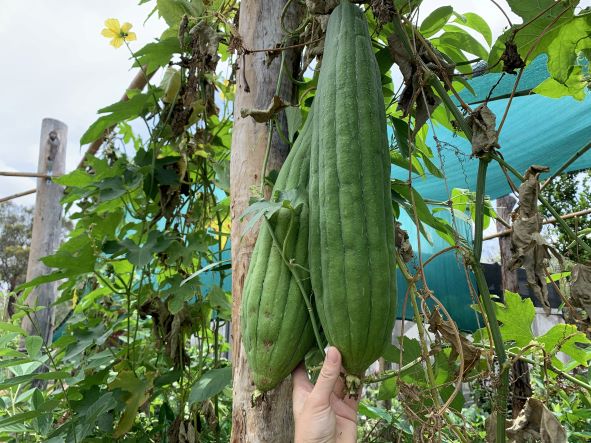
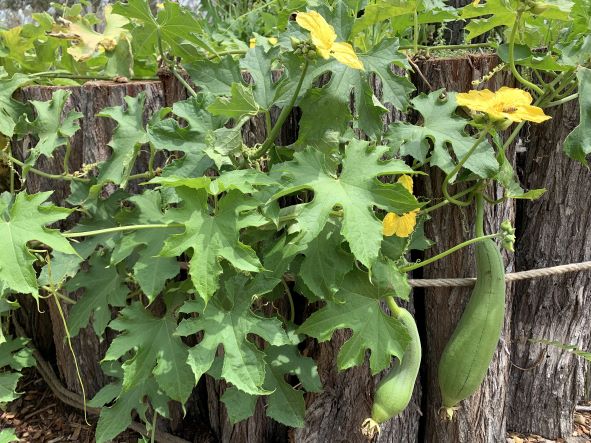
Vietnamese Luffa produces long, smooth, cylindrical fruits that can grow up to 30–60 cm in length. When harvested young and tender, the fruit is delicious and nutritious – perfect for stir‑fries, soups, and curries. When left to mature and dry on the vine, the fibrous interior becomes the well‑known natural sponge, ideal for bathing, exfoliating, and even household cleaning. The vine itself is a vigorous climber that can reach several metres in a single season, producing masses of bright yellow flowers that attract bees and other pollinators. It thrives outdoors in warm climates and can also be grown on a sturdy trellis or fence in large pots.
Do you need more space to grow food? Check out our fantastic extra-large grow bags here.
Uses:
Edible Young Fruit: Harvest when young and tender (10–15 cm long) for use in stir‑fries, soups, curries, and stews. The mild, slightly sweet flesh absorbs flavours beautifully and has a texture similar to zucchini or cucumber.
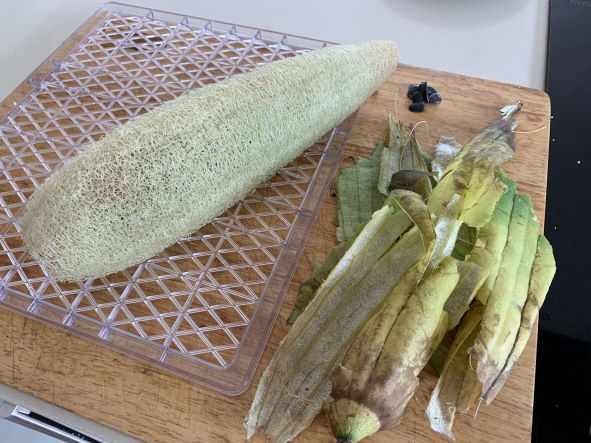
Natural Loofah Sponge: Allow mature fruits to dry completely on the vine, then peel away the outer skin, shake out the seeds, and use the fibrous skeleton as a natural, biodegradable bath sponge, exfoliating scrub, or kitchen scrubber.
Edible Leaves & Shoots: The young leaves and shoot tips are also edible and can be cooked as a leafy green vegetable.
Ornamental: The fast‑growing vine with large, lush leaves and bright yellow flowers makes a stunning natural screen or shade provider for patios and pergolas.
Nutrients & Health Benefits:
Vietnamese Luffa is a highly nutritious vegetable with an impressive range of health benefits.
Low in Calories: With only about 20 kcal per 100g, it is an excellent choice for weight management.
Rich in Vitamins: A good source of vitamin A (260 IU per 100g), vitamin C (12 mg per 100g), and vitamin E.
High in Fibre: Contains around 2.9 g of dietary fibre per 100g, supporting healthy digestion and promoting regular bowel movements.
Mineral Content: Provides calcium, iron, magnesium, phosphorus, potassium, and zinc.
Antioxidant & Anti‑inflammatory: Contains cucurbitacin, a triterpenoid with potential medicinal properties, as well as flavonoids and saponins with antioxidant and anti‑inflammatory activity. Studies have demonstrated its potential in vitro antioxidant and anti‑inflammatory effects.
Anticancer Potential: Research has shown that Luffa aegyptiaca seed extract exhibits growth inhibitory effects against human breast cancer cells (MCF‑7) with no toxicity to normal cells, suggesting potential as a chemopreventive agent.
Traditional Medicine: In traditional medicine systems across Asia and Africa, luffa has been used as a laxative, diuretic, tonic, and expectorant. The fruit has been employed to treat fevers, biliousness, spleen diseases, leprosy, piles, and skin disorders. In India, the seeds have been used as a cathartic and emetic. Among the Mapuche of southern Chile, a tea made from mature leaves is used for fevers. Traditional healers have also prepared decoctions of the seeds or leaf bases as a diuretic and for urinary complaints.
Note: Always do your own research before using any plant medicinally. The information provided is for educational purposes only.
Growing & Sowing Tips:
Vietnamese Luffa is easy to grow but needs warmth and patience. Follow these steps for the best results:
Prepare seeds: Soak seeds in water for 24 hours before sowing to soften the hard seed coat and speed up germination.
Start indoors (recommended for cooler climates): In shorter growing seasons, start seeds indoors 4–6 weeks before the last frost. Sow 2–3 seeds per pot, about 2 cm deep, in a greenhouse or on a sunny windowsill. Keep temperatures above 21°C during the day and 16°C at night.
Direct sowing: For direct sowing, wait until the soil has warmed to at least 18–21°C. Plant seeds about 1–2 cm deep in well‑draining soil.
Sun & position: Requires full sun – at least 6 hours of direct sunlight daily for vigorous growth and good fruit production.
Soil: Prefers rich, well‑drained loam with plenty of organic matter. Make mounds or ridges about 1.5 metres apart for planting.
Support: Provide a sturdy trellis, fence, or arbour for the vine to climb. This keeps fruit off the ground, reduces rot, and produces better‑shaped gourds.
Watering: Keep the soil consistently moist but not waterlogged, especially during flowering and fruit development. Feed fortnightly with a liquid fertiliser as fruits develop.
Climate: Needs a frost‑free growing season of at least 4 months and warm temperatures for proper flowering and fruiting.
Harvesting (eating): For eating, harvest fruit when young and tender (10–15 cm long) before the skin becomes tough and fibrous.
Harvesting (sponges): For loofah sponges, allow fruit to mature fully on the vine until the skin turns brown and dry. Peel away the outer skin, shake out the seeds, and rinse the fibrous skeleton. Dry thoroughly before use.
Seed Details:
Price: For 5 seeds, naturally grown in my permaculture food forest in Pacific Haven, QLD Australia.
Quality: Heirloom, untreated, open‑pollinated.
Shipping & Important Notes:
Shipping locations: Sending within Australia only, excluding Norfolk Island, NT, SA, TAS, and WA.
Pickup: Available by appointment from Pacific Haven, QLD.
Please Note: The young fruit is edible and delicious, but mature fruit becomes fibrous and is used only for sponges. Do your own research before trying any new foods. Also refer to our full disclaimer in the footer of this page.